How a Law Firm Saved 20% on IT Software Costs Monthly by Reducing Software Bloat
A local law firm came to us for a fresh perspective on their IT services. They were frustrated about their high IT bill and wanted to explore ways to optimize costs.
After a review, we discovered that software bloat was a significant contributor to their high expenses.
Over the years, the firm had added many software programs. As time went on, they used some of these programs less frequently or forgot about them altogether.
The Problem: Software Bloat Is More Common Than You Think
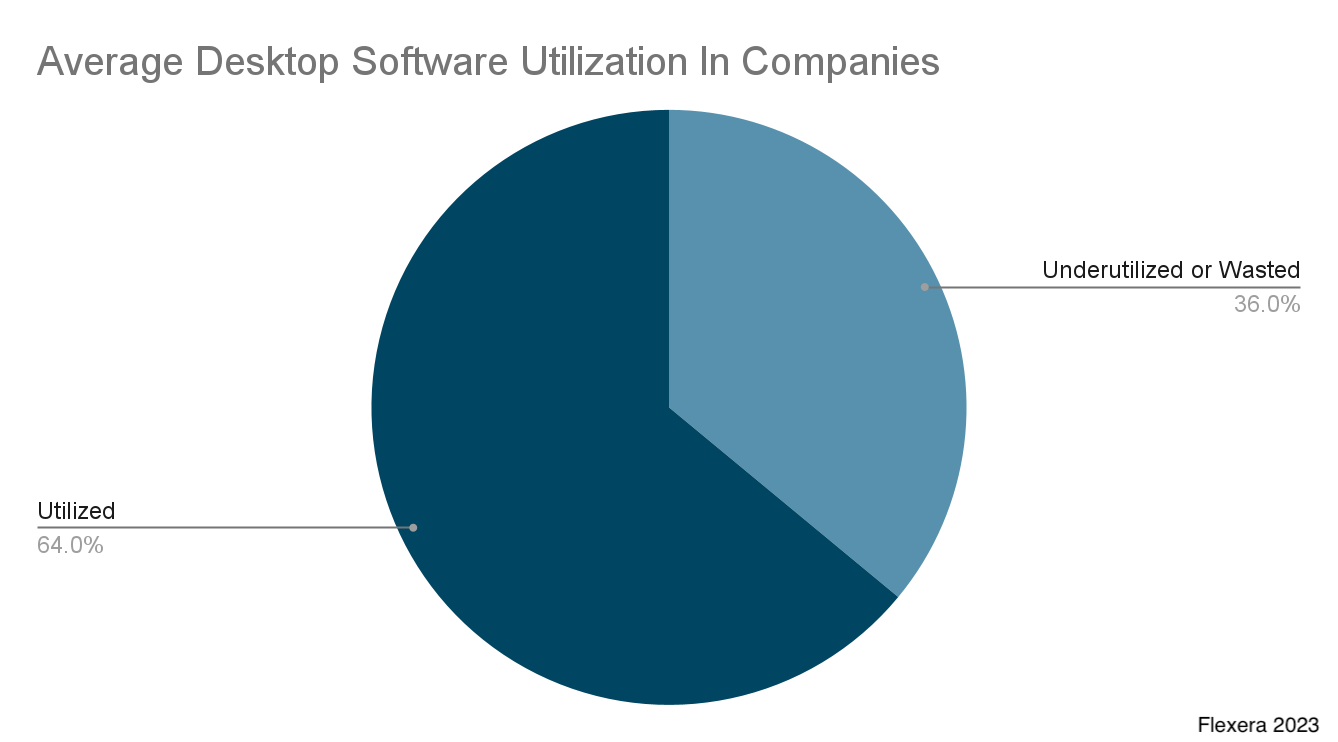
Flexera's 2023 study shows that 36% of the software businesses pay for is wasted or not used enough. This was true for the law firm, especially with their Microsoft 365 licenses.
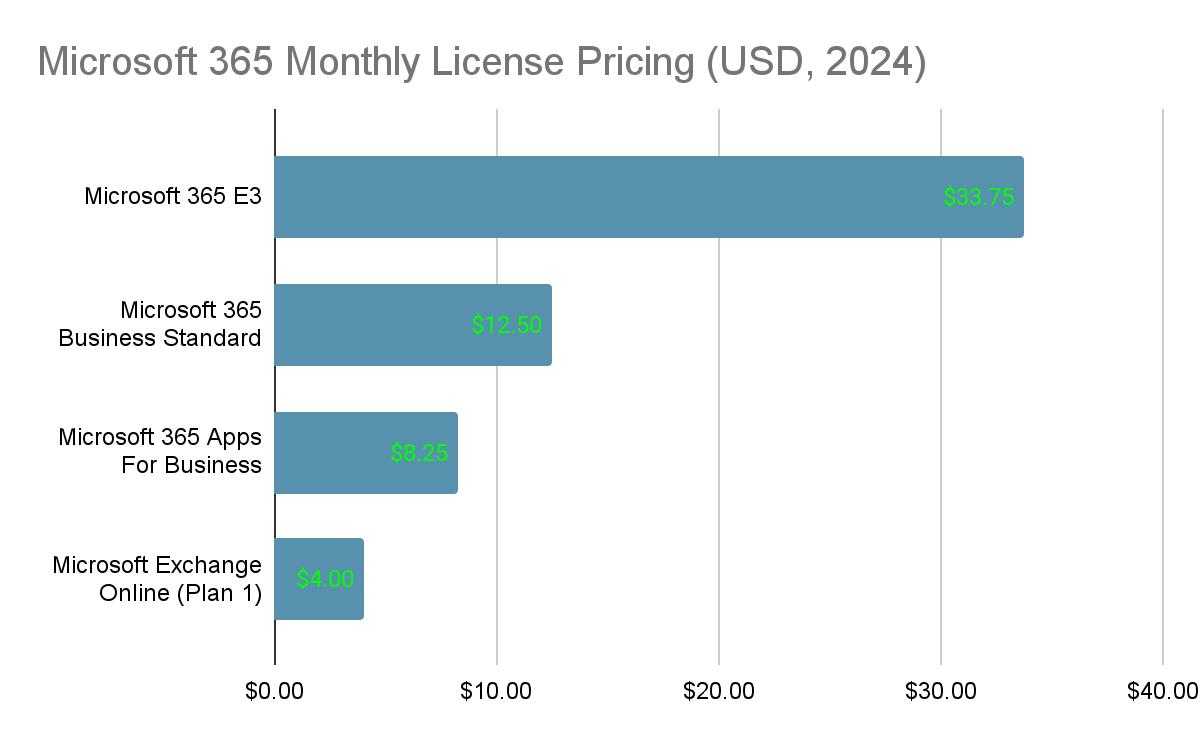
Higher-tier licenses, costing almost $20 more per month than necessary, were assigned to many employees who did not use all the features.
Our Solution
We performed a full audit of their software use. We looked at each software license and found ways to save money.
We confirmed with the firm's staff whether they actually used all the features of their software. Then, we suggested switching to lower-tier licenses where possible. Nobody was moved off a feature they relied on. The audit matched each person to their real usage.
The Result
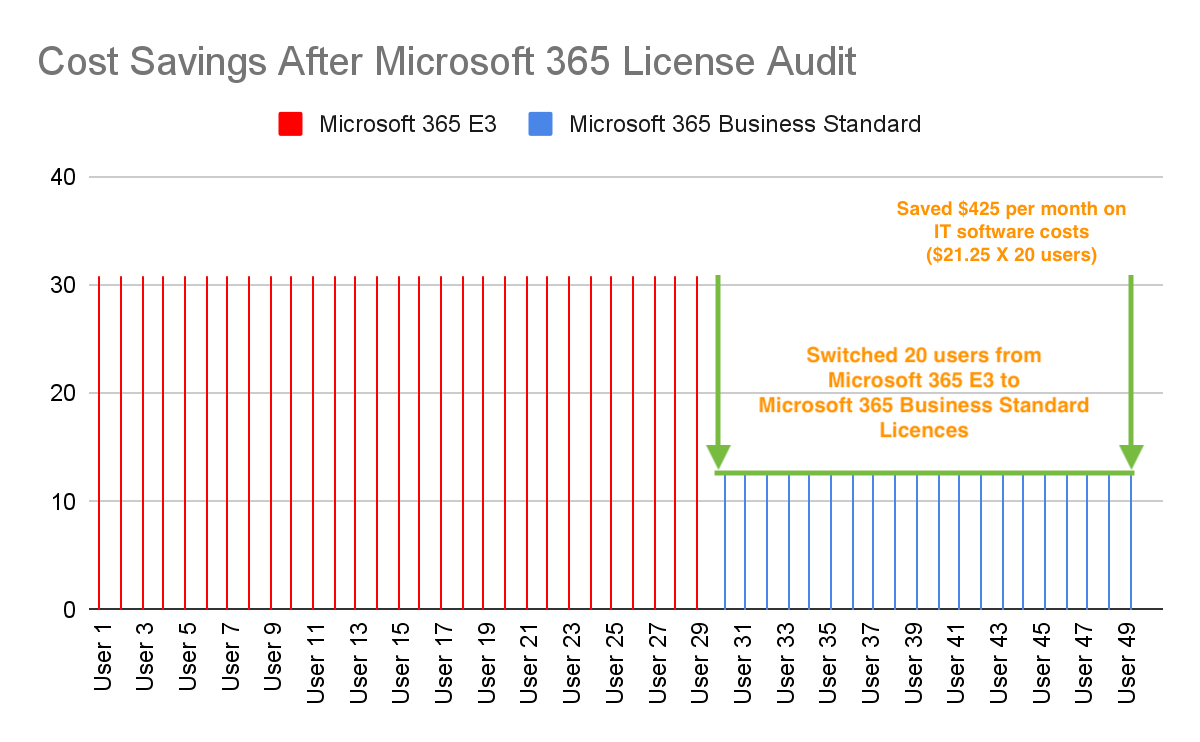
By changing 20 employees to lower-tier licenses, we cut their IT software costs by $425 per month.
The law firm's IT software costs dropped by over 20%, freeing up capital for other important business expenses like marketing, payroll, and advertising.
There was a second benefit beyond cost: fewer unused tools and licenses means less surface to manage and protect. Trimming bloat is also good security hygiene.
Want a second look at your firm's software spend?
Talk to an IT consultantFAQs: Software Bloat and License Audits
What is software bloat?
Software bloat is the buildup of licenses, subscriptions, and tools a business pays for but no longer fully uses. It accumulates quietly as firms add programs over the years, and it shows up as a high IT bill with no obvious cause.
How much do businesses overspend on software?
Flexera's 2023 research found that 36% of desktop software businesses pay for is wasted or underutilized. In our experience with law firms, Microsoft 365 license tiers are one of the most common places that waste hides.
What is a Microsoft 365 license audit?
A license audit reviews every seat your firm pays for, confirms with staff which features they actually use, and matches each person to the lowest tier that covers their real usage. For most firms it takes a few hours and the savings start the next billing cycle.
Which Microsoft 365 license does a law firm actually need?
It varies by role. Many staff are assigned high tiers like Microsoft 365 E3 but only use email, Office apps, and Teams, which lower tiers such as Business Standard cover at a fraction of the price. The audit confirms who genuinely needs advanced features before anyone is moved.
Does switching to lower-tier licenses hurt functionality?
Not when the audit is done first. We confirm actual feature usage with the firm's staff before suggesting any change, so nobody loses a capability they rely on. The goal is matching licenses to real usage, not cutting for its own sake.
How often should a firm review its software licenses?
At least once a year, and after any meaningful headcount or software change. Unused licenses also carry a security cost: every extra tool and seat is more surface to manage and protect.
Takeaway
Reducing software bloat is straightforward and can save a lot of money. By auditing your software licenses and optimizing them according to actual usage, you can see similar savings.
A license audit is a quick win that most firms can complete in a few hours. If you haven't reviewed your Microsoft 365 license tiers recently, it's worth doing. The savings are often immediate.
We run this kind of review as part of a technology audit, Microsoft 365 support for law firms, and legal software advice, and license hygiene is ongoing inside ALT Care Plus, our managed IT program.

Written by Mariano Nicolo, President of ALT Consulting. He helps law firm ops leaders cut technology waste and build reliable workflows through Clio and Microsoft 365.
Discover more

The difference between a law firm loving or hating its technology came down to this purchase decision

IT Support for Law Firms: What It Covers and How to Compare

From outdated to outstanding: How we modernized a law firm's IT systems

Transform your boardroom into a seamless hybrid conference space in just one week

How to Choose the Right Clio Certified Consultant for Your Law Firm